The Neuroscience Behind That Magical First Kiss
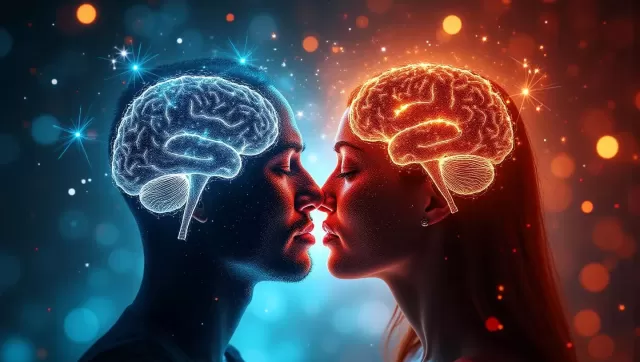
That first kiss. It's a moment etched in our memories, often filled with a potent cocktail of anticipation, mystery, and a dash of nervousness. Will it be amazing? Will there be chemistry? The flood of thoughts and emotions can be overwhelming as your lips meet for the very first time. But beyond the feels, what's actually happening inside your brain and body?
Your lips are packed with nerve endings, acting like superhighways sending signals straight to your brain's control center. The reward? A surge of dopamine, that feel-good neurotransmitter that can leave you feeling almost euphoric. Dopamine is also key in your brain's reward circuitry, fueling your desire for a repeat performance, and potentially leading to a rapid-fire obsession with your new kissing partner.
Simultaneously, your body releases oxytocin, the "love hormone," fostering feelings of trust and connectedness. As cortisol levels drop, stress melts away, replaced by a sense of calm. Meanwhile, epinephrine and norepinephrine dilate blood vessels, increasing heart rate, as adrenaline pumps through your veins. The intensity of this initial encounter can set the stage for the relationship's trajectory.
The Expectations Game
Our preconceived notions about the "perfect" first kiss heavily influence our romantic feelings. Recent research suggests that those who believe in instant "magic" during a first kiss are more likely to report stronger feelings of love in their current relationships. Interestingly, individuals with anxious attachment styles tend to romanticize the first kiss even more, and this idealization impacts their overall romantic satisfaction.
However, reality doesn't always match expectations. An unpleasant smell, a bad taste, or even a clumsy kissing technique can quickly deflate the romantic balloon. Studies show that a significant percentage of both men and women, especially women, view that first kiss as a crucial evaluation tool. A disappointing kiss can be a deal-breaker.
The Fading Spark?
While that initial kiss might feel like a fireworks display, the magic often diminishes over time. This isn't necessarily a bad thing; it's just your brain evolving. The early stages of a relationship are typically characterized by heightened activity in brain regions associated with excitement and reward. Research has demonstrated that people in new relationships have lower levels of a dopamine transporter (DAT), which regulates dopamine levels. This could explain the initial intensity.
As relationships mature, the brain shifts focus to bonding and attachment, activating areas related to family connection. Oxytocin plays a pivotal role in this process, solidifying the bond between partners. Oxytocin levels are typically highest at the beginning of a relationship, potentially lasting up to nine months in successful pairings. Studies have shown that couples with higher oxytocin levels at the start of a relationship are more likely to stay together in the long run.
In short, the first kiss is a complex interplay of neurochemistry, expectations, and individual preferences. While the initial spark might fade, the underlying connection and attachment can deepen, leading to a more enduring and meaningful relationship.