Fighting Fair: Can Healthy Conflict Boost Longevity?
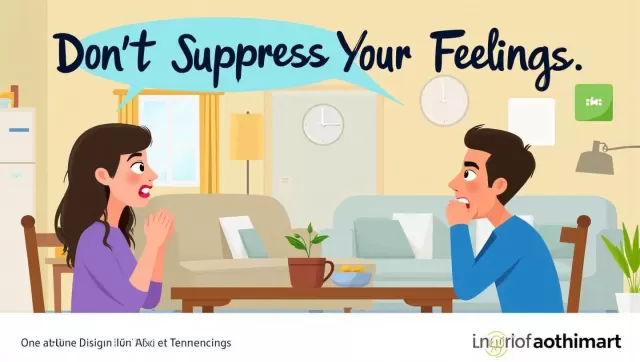
For years, we've been told to keep the peace, especially in our romantic relationships. But emerging research suggests that bottling up your feelings, particularly anger, might be more detrimental than engaging in constructive conflict. A groundbreaking study from the University of Michigan sheds light on how couples handle disagreements and its surprising impact on their longevity.
The Silent Killer: Suppressing Anger and Its Health Consequences
The core finding of the study, published in the Journal of Family Communication, indicates that couples who consistently suppress their anger when feeling unfairly attacked by their partner may face a higher risk of premature death. In other words, avoiding conflict at all costs could be costing you years of life.
Researchers followed 192 couples for a substantial 17-year period (1971-1988), meticulously tracking their conflict resolution styles and health outcomes. They categorized couples into four distinct groups:
- Open Communicators: Both partners openly expressed their anger and worked towards resolving the underlying issues.
- Mixed Dynamics: One partner expressed anger while the other suppressed it (this category included both scenarios).
- Silent Sufferers: Both partners consistently suppressed their anger and avoided confronting the conflict.
The results were striking. Couples in the "Silent Sufferers" category were twice as likely to experience earlier death compared to couples in the other three groups. This suggests a strong correlation between suppressed anger and negative health outcomes.
Why Does Suppression Hurt Us?
The lead author of the study, Professor Emeritus Ernest Harburg, highlights the importance of conflict resolution skills within a relationship. He notes that most couples enter partnerships without formal training in how to navigate disagreements effectively. While some may learn from positive parental examples, many couples are left to figure it out on their own.
The danger, according to Harburg, lies not in the conflict itself, but in the lack of resolution. When anger is buried and unresolved, it can lead to resentment, bitterness, and chronic stress. These negative emotions can take a toll on both mental and physical health, potentially contributing to a range of health problems.
The Numbers Speak Volumes
Preliminary data from the study reveals significant differences in mortality rates across the groups:
- Silent Sufferers: Among the 26 couples in this category, there were 13 deaths. A breakdown shows one partner from 27% of these couples had passed, and both partners from 23% of these couples.
- All Other Groups: Among the remaining 166 couples, there were 41 deaths. A breakdown shows one partner from 19% of these couples had passed, and both partners from 6% of these couples.
These statistics underscore the severity of the issue. Even after adjusting for factors such as age, smoking habits, weight, blood pressure, and other health risks, the correlation between suppressed anger and earlier death remained significant. Researchers are currently gathering 30-year follow-up data, which promises to provide even greater insights into the long-term effects of conflict resolution styles on health and longevity.
The Key Takeaway: Healthy Conflict Resolution
This study doesn't advocate for constant arguing or unchecked outbursts of anger. Instead, it emphasizes the importance of healthy conflict resolution. Learning to express your feelings constructively, addressing underlying issues, and working together to find solutions can be vital for both the health of your relationship and your individual well-being.
Moving Forward: Tips for Constructive Conflict
So, how can you transform your relationship from a breeding ground for suppressed anger into a space for healthy communication? Here are a few tips:
- Identify Your Feelings: Before reacting, take a moment to identify what you're truly feeling. Are you angry, hurt, frustrated, or something else?
- Choose the Right Time and Place: Avoid discussing sensitive topics when you're tired, stressed, or distracted. Find a time and place where you can both focus and communicate calmly.
- Use "I" Statements: Express your feelings and needs without blaming or accusing your partner. For example, instead of saying "You always...", try "I feel... when...".
- Listen Actively: Pay attention to what your partner is saying, both verbally and nonverbally. Try to understand their perspective, even if you don't agree with it.
- Focus on Solutions: Once you've both expressed your feelings, work together to find solutions that address the underlying issues.
- Seek Professional Help: If you're struggling to communicate effectively or resolve conflicts on your own, consider seeking guidance from a therapist or counselor.
Comparing Conflict Styles and Mortality Rates (Based on Study Data)
| Conflict Style | Number of Couples | Number of Deaths | % of Deaths (One Partner) | % of Deaths (Both Partners) |
|---|---|---|---|---|
| Both Partners Suppress Anger | 26 | 13 | 27% | 23% |
| One Partner Expresses, One Suppresses (Total) | 166 | 41 | 19% | 6% |
Note: Percentages are approximate based on the provided data.
Conclusion: Your Health and Your Relationship
The University of Michigan study provides compelling evidence that healthy conflict resolution is crucial for both relationship satisfaction and individual health. While avoiding arguments may seem like the easier option in the short term, it can have detrimental consequences in the long run. By learning to express your feelings constructively and address underlying issues, you can create a healthier, happier, and longer-lasting relationship. The key is finding healthy ways to resolve conflict, rather than avoid it altogether.
FAQs
Q1: Does this mean I should start picking fights with my partner?
No. The study emphasizes healthy conflict resolution, not constant arguing. The goal is to express your feelings constructively and work together to resolve underlying issues, not to create more conflict.
Q2: What if my partner is resistant to communicating?
It can be challenging if your partner is unwilling to communicate. Start by expressing your own needs and feelings in a calm and non-confrontational way. Suggest couples counseling if necessary, and focus on what you can control – your own communication style.
Q3: Are there specific techniques for resolving conflict effectively?
Yes, many techniques can help. "I" statements, active listening, and focusing on solutions are all helpful. Numerous books and resources are available on effective communication and conflict resolution in relationships.
Q4: What if the anger is related to abuse and control?
This study refers to disagreements between partners and not to situations of violence and control. If you are a victim of abuse (physical, emotional or verbal), you may not be in a position to express anger in a way that will improve the relationship. You need to seek help. Contact the authorities, friends or support groups to get help and extract yourself from an abusive relationship.